Welcome to Natural Scotland
GOLDCREST PORTFOLIO
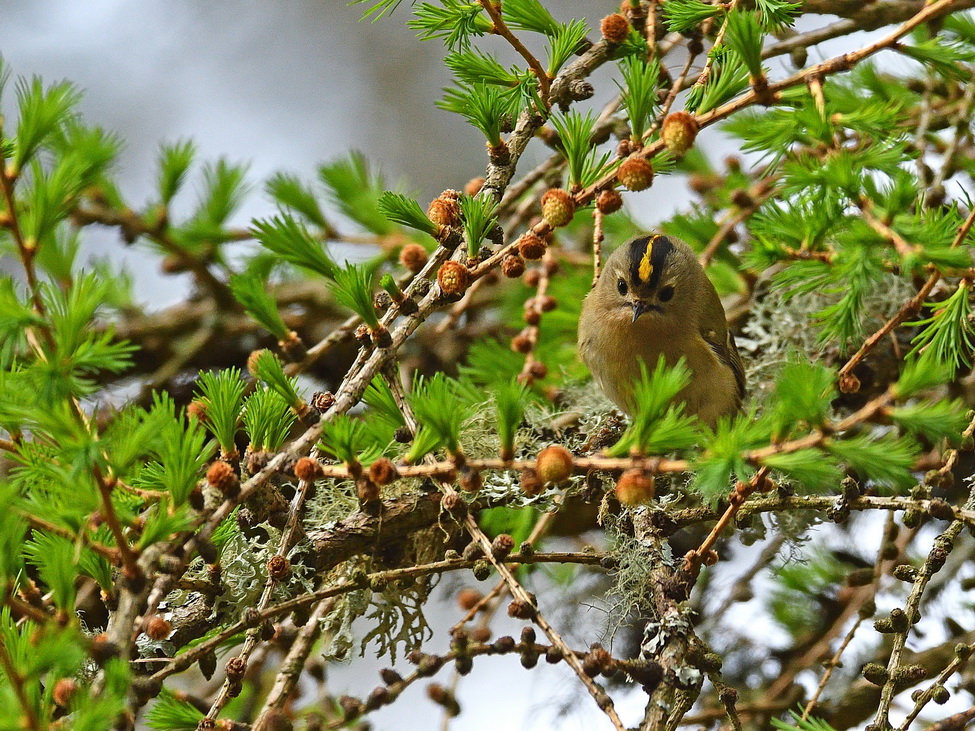
“Named after the crest of bright feathers located in the middle of their heads, the goldcrest (along with the firecrest) are the smallest of all UK birds weighing just 5 grams. Feeding on insects and invertebrates, they flit among tree branches, catching small creatures such as spiders, flies and caterpillars, often hanging upside down to reach their prey.
Coniferous woodland or parks with large mature trees are the best places to see goldcrests, but they range around in flocks of other small birds during autumn and winter. They’re widespread and common across the whole of the UK. In autumn, large numbers arrive on the east coast from Scandinavia and make their way across dunes to more suitable habitat.”


Welcome to Natural Scotland
GOLDCREST PORTFOLIO
“Named after the crest of bright feathers located in the middle of their heads, the goldcrest (along with the firecrest) are the smallest of all UK birds weighing just 5 grams. Feeding on insects and invertebrates, they flit among tree branches, catching small creatures such as spiders, flies and caterpillars, often hanging upside down to reach their prey.
Coniferous woodland or parks with large mature trees are the best places to see goldcrests, but they range around in flocks of other small birds during autumn and winter. They’re widespread and common across the whole of the UK. In autumn, large numbers arrive on the east coast from Scandinavia and make their way across dunes to more suitable habitat.”
Welcome to
Natural Scotland
GOLDCREST PORTFOLIO
“Named after the crest of bright feathers located in the middle of their heads, the goldcrest (along with the firecrest) are the smallest of all UK birds weighing just 5 grams. Feeding on insects and invertebrates, they flit among tree branches, catching small creatures such as spiders, flies and caterpillars, often hanging upside down to reach their prey.
Coniferous woodland or parks with large mature trees are the best places to see goldcrests, but they range around in flocks of other small birds during autumn and winter. They’re widespread and common across the whole of the UK. In autumn, large numbers arrive on the east coast from Scandinavia and make their way across dunes to more suitable habitat.”