Welcome to Natural Scotland
GREAT SPOTTED WOODPECKER PORTFOLIO
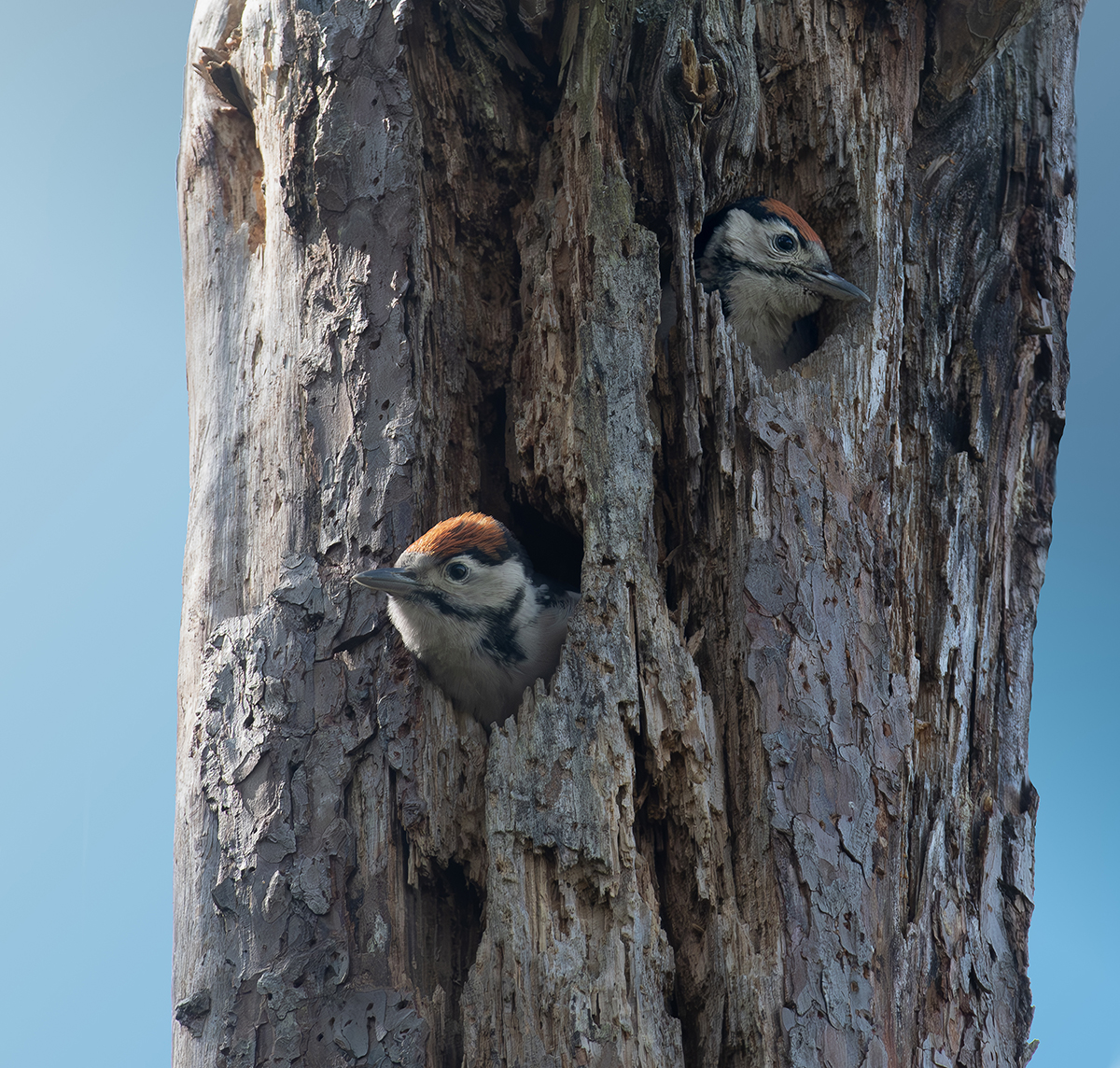
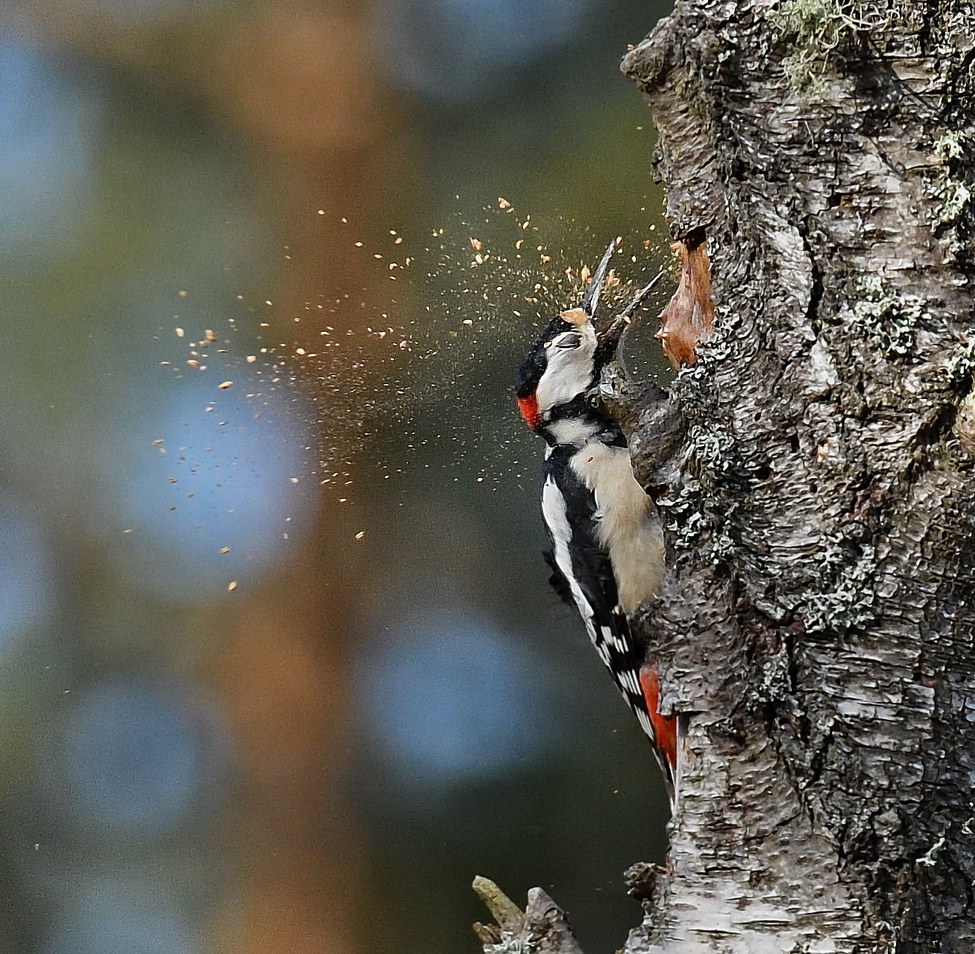
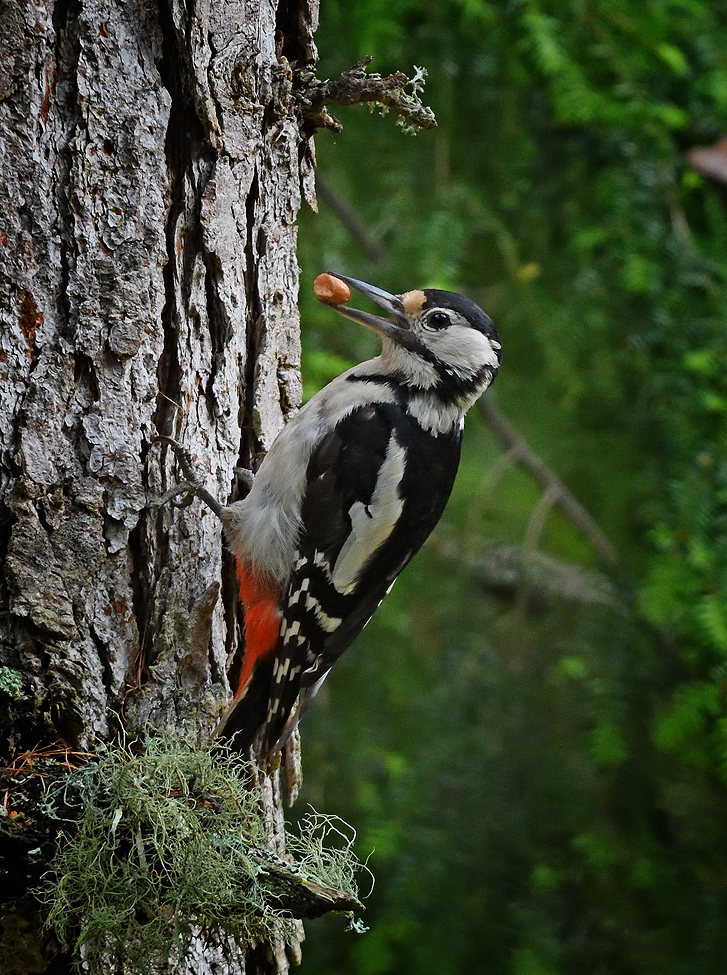
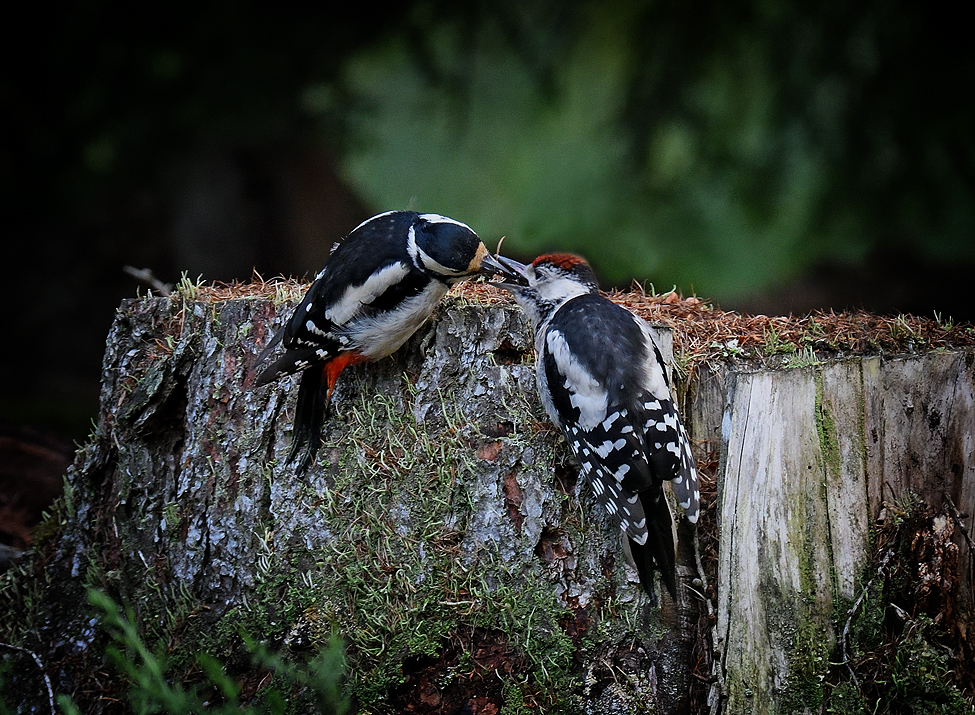
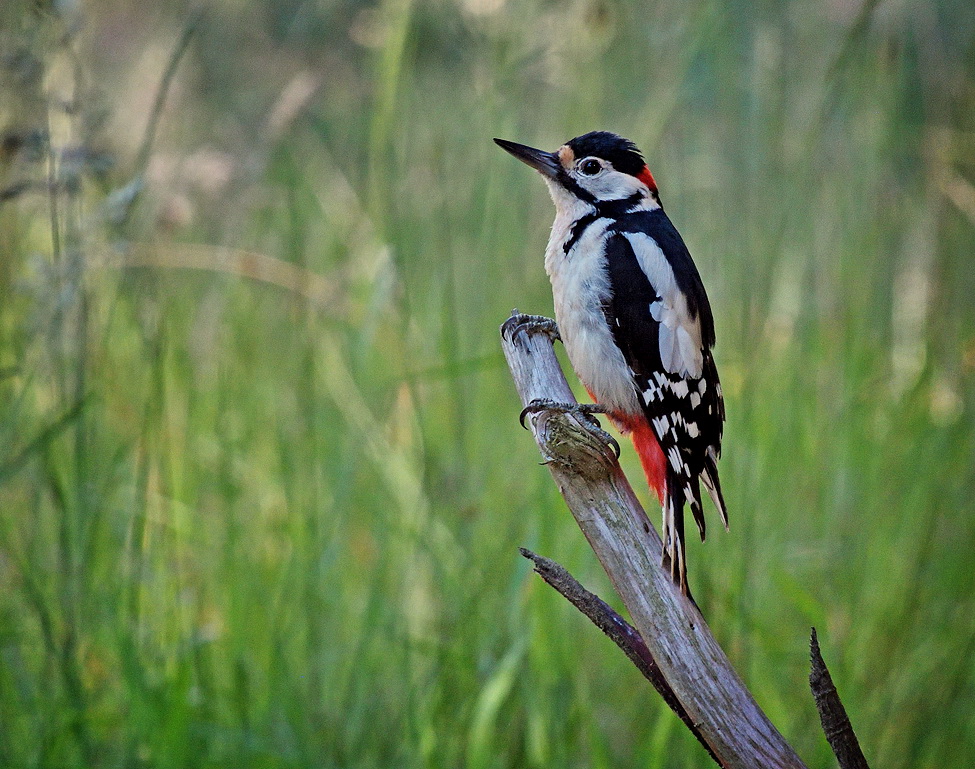
“Preferring mature broad leaved woodland, the great spotted woodpecker are equally at home in coniferous woodland with mature trees. Listening out for the great spotted woodpecker’s distinctive drumming is the easiest way to tell if the species is around. You might also see the holes woodpeckers have made in tree trunks to extract beetle larvae or larger more comprehensive holes for nesting.
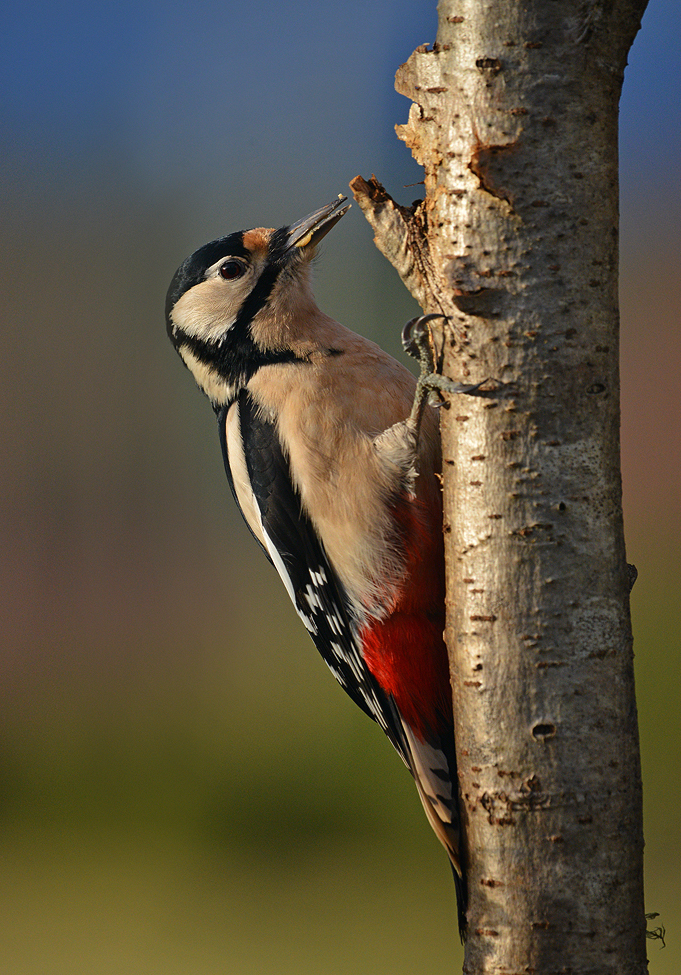
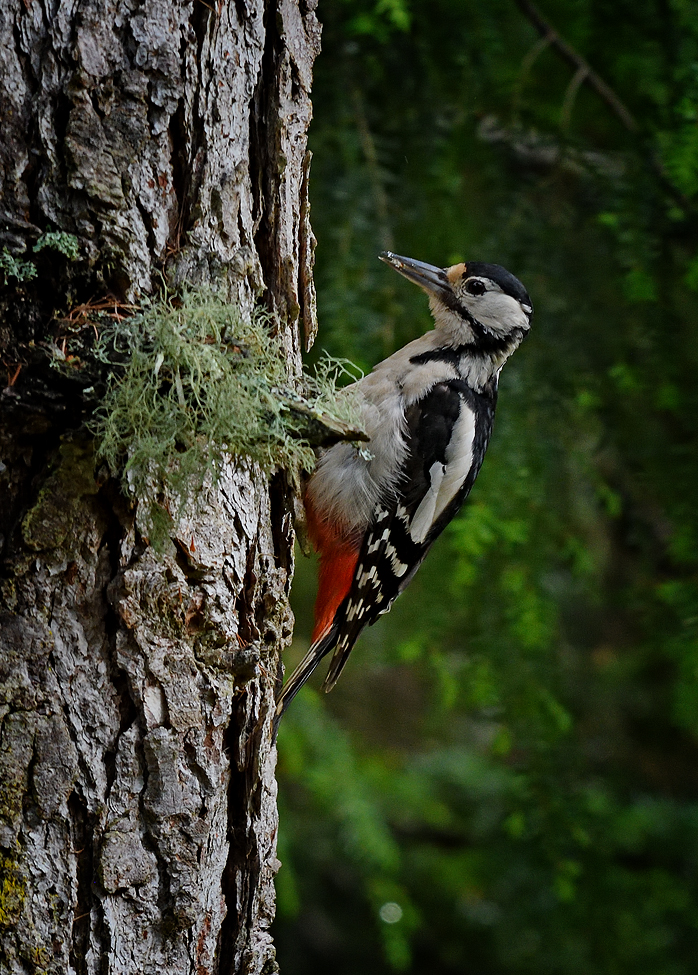
Sightings in woodland are often fleeting, as these birds can be shy of humans. The best views are often available in gardens, where woodpeckers are attracted to feeders containing nuts, seeds and suet.“











Welcome to Natural Scotland
GREAT SPOTTED WOODPECKER PORTFOLIO
“Preferring mature broad leaved woodland, the great spotted woodpecker are equally at home in coniferous woodland with mature trees. Listening out for the great spotted woodpecker’s distinctive drumming is the easiest way to tell if the species is around. You might also see the holes woodpeckers have made in tree trunks to extract beetle larvae or larger more comprehensive holes for nesting.
Sightings in woodland are often fleeting, as these birds can be shy of humans. The best views are often available in gardens, where woodpeckers are attracted to feeders containing nuts, seeds and suet.“
Welcome to
Natural Scotland
GREAT SPOTTED WOODPECKER PORTFOLIO
“Preferring mature broad leaved woodland, the great spotted woodpecker are equally at home in coniferous woodland with mature trees. Listening out for the great spotted woodpecker’s distinctive drumming is the easiest way to tell if the species is around. You might also see the holes woodpeckers have made in tree trunks to extract beetle larvae or larger more comprehensive holes for nesting.
Sightings in woodland are often fleeting, as these birds can be shy of humans. The best views are often available in gardens, where woodpeckers are attracted to feeders containing nuts, seeds and suet.“