Welcome to Natural Scotland
YELLOWHAMMER PORTFOLIO
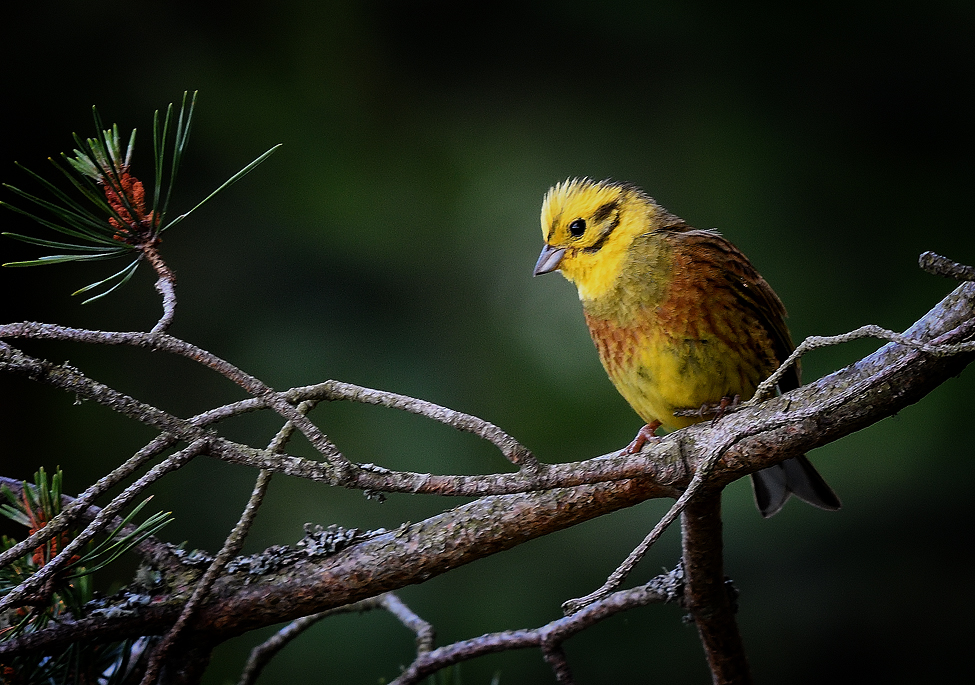
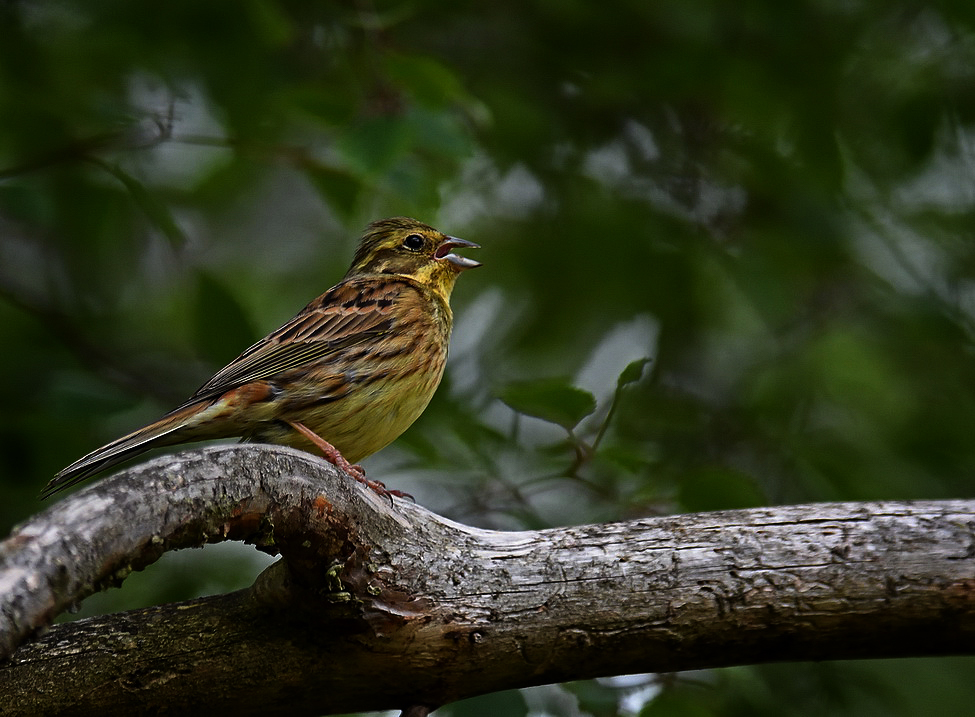
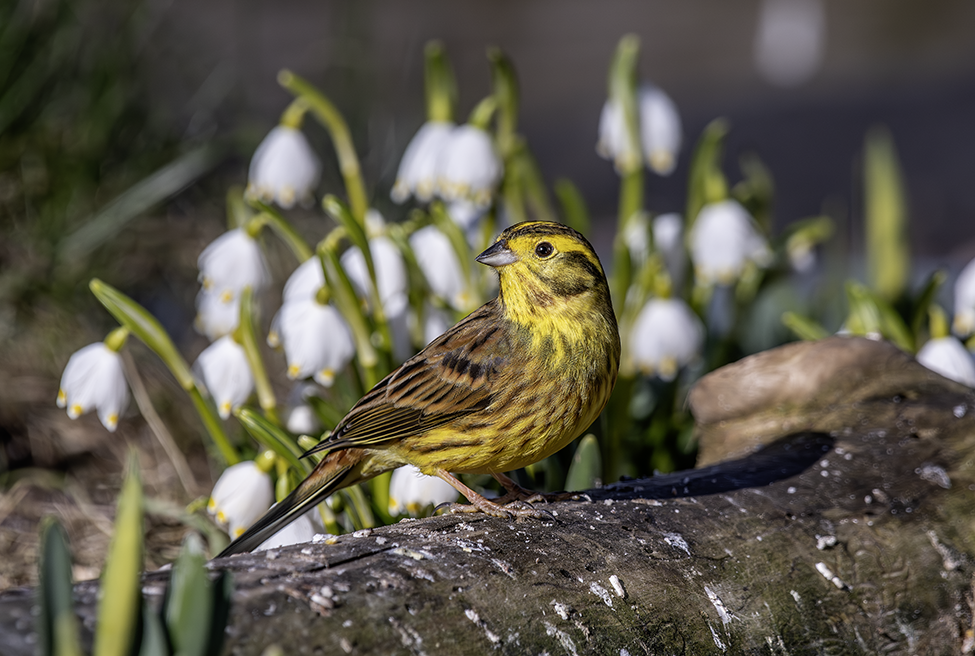
“The yellowhammer is widespread across the UK, seen along woodland edges, hedgerows, heaths and farmland. Feeding on seeds and invertebrates they are a rather large bunting, (about 10% longer than a Chaffinch) with a distinctly forked tail. Adult males are vibrant birds in the breeding season, their red brown plumage streaked with black, is supplemented by bright yellow on the head and belly. During the winter months, the plumage is more subdued, but the yellow can still be seen on the head, under the bill and below the cheeks. The yellow on the underparts can be difficult to see. The red-brown rump is another feature worth looking out for. The females and immatures are duller in colour, often with only a faint yellow tinge.
As birds of open countryside, they are present across much of Britain, making them one of the most familiar farmland species. They are typically associated with hedgerows where suitable song posts are available. Although, they are much less common on high ground.“




Welcome to Natural Scotland
YELLOWHAMMER PORTFOLIO
“The yellowhammer is widespread across the UK, seen along woodland edges, hedgerows, heaths and farmland. Feeding on seeds and invertebrates they are a rather large bunting, (about 10% longer than a Chaffinch) with a distinctly forked tail. Adult males are vibrant birds in the breeding season, their red brown plumage streaked with black, is supplemented by bright yellow on the head and belly. During the winter months, the plumage is more subdued, but the yellow can still be seen on the head, under the bill and below the cheeks. The yellow on the underparts can be difficult to see. The red-brown rump is another feature worth looking out for. The females and immatures are duller in colour, often with only a faint yellow tinge.
As birds of open countryside, they are present across much of Britain, making them one of the most familiar farmland species. They are typically associated with hedgerows where suitable song posts are available. Although, they are much less common on high ground.“
Welcome to
Natural Scotland
YELLOWHAMMER PORTFOLIO
“The yellowhammer is widespread across the UK, seen along woodland edges, hedgerows, heaths and farmland. Feeding on seeds and invertebrates they are a rather large bunting, (about 10% longer than a Chaffinch) with a distinctly forked tail. Adult males are vibrant birds in the breeding season, their red brown plumage streaked with black, is supplemented by bright yellow on the head and belly. During the winter months, the plumage is more subdued, but the yellow can still be seen on the head, under the bill and below the cheeks. The yellow on the underparts can be difficult to see. The red-brown rump is another feature worth looking out for. The females and immatures are duller in colour, often with only a faint yellow tinge.
As birds of open countryside, they are present across much of Britain, making them one of the most familiar farmland species. They are typically associated with hedgerows where suitable song posts are available. Although, they are much less common on high ground.“